Japanese Tea Ceremony Classes and Workshops
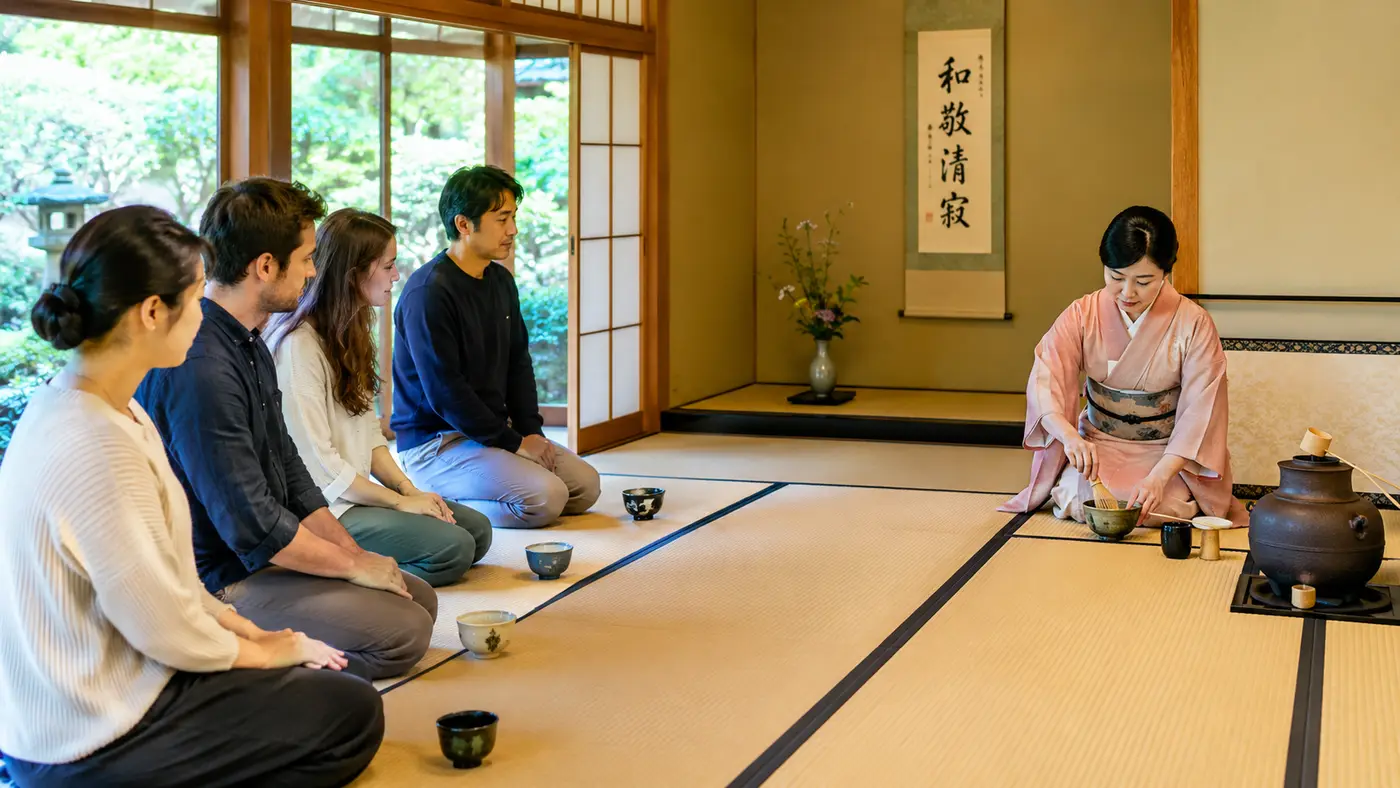
My feet fell completely asleep after twenty minutes on the tatami mats, and when I tried to shift my weight, a jolt of pins and needles shot up my calves. Nobody warned me how physical this quiet art really is. The tea master, a tiny woman in her late seventies who moved with the grace of flowing water, didn't blink. She slid an ornate ceramic bowl across the woven rush floor, smiled gently, and bowed until her forehead nearly brushed the mat. Taking japanese tea ceremony classes is less about drinking hot green broth and more about stepping inside a living, breathing meditation that people have spent four centuries perfecting.
Most travelers watch a demonstration from behind a velvet rope or sit in a crowded hotel lobby sipping lukewarm matcha from a paper cup. That is fine if you are in a rush. If you actually want to understand why a host will wipe a clean lacquer box three separate times with a folded silk cloth, you need to get your own hands on a bamboo whisk. Stepping into an authentic tea room strips away the noisy, neon-soaked chaos of modern Japan, replacing it with the rhythmic bubbling of an iron kettle and the smell of toasted rice straw.
Book your tea ceremony osaka experience:
Inside a Hands-On Japanese Tea Ceremony Experience
The garden path comes first. In traditional practice, you walk down a narrow stone trail called a roji, which literally means dewy ground. It is designed to act as a sensory buffer between the noisy street outside and the quiet sanctuary of the teahouse.
You wash your hands and mouth at a stone basin using a wooden ladle. The water is cold. It shocks your brain awake. Then you crawl through an intentionally tiny sliding door, barely three feet high, known as a nijiriguchi. Back in the samurai era, warriors had to leave their long swords outside because the doorway was too small to squeeze through with weapons strapped on. Inside the room, everyone was equal, whether you were a wandering poet, a peasant farmer, or a warlord with five hundred retainers at your back.
Once you are seated inside, the sheer economy of movement takes over.
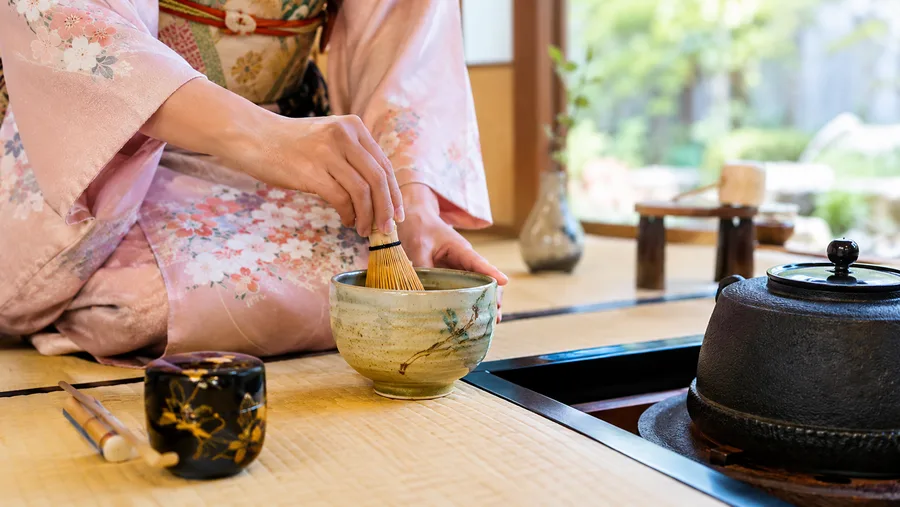
The host does not make idle chatter. Every fold of the purple silk cloth, every tilt of the bamboo ladle, and every placement of the bowl follows an exact geometric sequence refined over hundreds of years. You watch in absolute silence as two scoops of vibrant green powder drop into the bottom of a heavy ceramic bowl. Hot water follows, dipped from a cast-iron kettle that has been heating over glowing charcoal embers. Then comes the whisking: a rapid, wrist-only flick that sounds like autumn leaves rustling across concrete.
A standard beginner workshop usually breaks down into these distinct stages:
- Purification and viewing: guests observe the seasonal hanging scroll and admire the simple flower arrangement in the alcove before sitting.
- The wagashi pairing: you eat a small, intensely sweet confection to coat your tongue before the bitter tea touches your palate.
- Host preparation: the teacher cleans the utensils rhythmically, measures the powder, and ladles out boiling water from the heavy iron kettle.
- Guest whisking: you receive your own chawan bowl, a chasen whisk, and learn the brisk back-and-forth movement needed to create a rich jade foam.
- Appreciation and cleanup: you inspect the glaze of the bowl, thank your host, and wipe the rim with your thumb and fingers.
The sweet comes before the tea, never together. That was the first mistake I made. I held onto my little sugar bean cake, thinking I would take a bite between sips like coffee and cake at a diner. My host softly shook her head. You eat the whole sweet first so the sugar coats your tongue. When the sharp, astringent green tea hits your mouth seconds later, the balance is incredible.
Choosing the Right Tea Ceremony Class: Casual vs Traditional
Not all workshops offer the same depth. If you are browsing travel apps or searching online for an upcoming trip, you will find everything from quick thirty-minute tourist tasters to grueling four-hour apprenticeships.
Short demonstration sessions are everywhere. They are cheap, easy to fit into a packed afternoon between temple visits, and they rarely require advance planning. You sit on a chair, watch an instructor make a single bowl of tea, drink it, and leave. You get the flavor, but you miss out on the physical mindfulness that makes the craft special. If you want something richer, you need an interactive studio that lets you prepare your own bowl under supervision.
Pro tip: Pack a clean pair of white socks in your day bag. Stepping onto bare tatami mats with naked feet or dirty street socks is considered a serious breach of teahouse etiquette.
For those traveling through western Japan, comparing formats is worth the effort. The atmosphere changes depending on the city. Kyoto leans heavily into rigid Zen traditions, whereas exploring a tea ceremony in Osaka vs Kyoto vs Tokyo reveals how local culture colors the experience. Osaka sessions tend to be warmer, more talkative, and far less intimidating for nervous beginners who might worry about doing something wrong.
There are also three major historic schools of tea in Japan, all descended from the grandmaster Sen no Rikyu: Urasenke, Omotesenke, and Mushakojisenke. Urasenke is the one you will encounter ninety percent of the time as a traveler. They whisk the matcha vigorously until the entire surface is covered in a thick, velvety foam resembling a fresh espresso crema. Omotesenke, on the other hand, leaves a small patch of calm, dark green liquid showing through the foam, representing the sea or a quiet lake. It is a tiny aesthetic choice, but people debate it with fierce passion.
Comparing Class Types, Costs, and Formats
Finding the right fit comes down to how much time you have and how comfortable you feel sitting on the floor. Prices vary wildly depending on whether you opt for shared spaces, historic teahouses, or private lessons with certified masters.
| Workshop Format | Typical Duration | Average Cost (Per Person) | Hands-On Whisking? | Seating Style |
|---|---|---|---|---|
| Express Group Taster | 40 to 45 mins | ¥3,200 (approx. $21) | Rarely | Chairs or low benches |
| Hands-On Group Workshop | 60 to 75 mins | ¥5,800 (approx. $38) | Yes, full preparation | Tatami mats (floor) |
| Kimono & Tea Experience | 90 to 120 mins | ¥10,500 (approx. $69) | Yes, full preparation | Tatami mats |
| Private Masterclass | 90 mins | ¥16,000 (approx. $105) | Yes, in-depth practice | Tatami with backrests |
Group sessions work fine for most people. You get to watch other travelers make the same clumsy mistakes as you, which cuts down the tension considerably. I remember watching an Australian guy accidentally flick a stray drop of green liquid onto the paper shoji screen. Our teacher simply laughed, blotted it with a wet rag, and adjusted his hand posture.
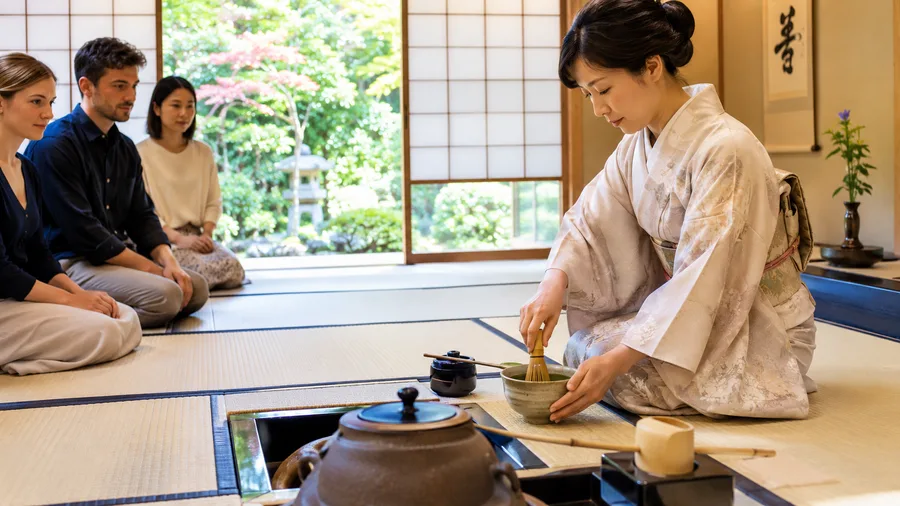
If you want stunning photos, pairing your class with traditional dress transforms the entire morning. Booking a kimono tea ceremony in Osaka lets you experience the tight, upright posture that traditional silk robes force upon your body. You realize very quickly that kimono are practically tailor-made for sitting upright on the floor. The wide sash supports your lower back in a way that modern jeans and loose shirts never could.
Book your tea ceremony osaka experience:
Etiquette and Survival Tips for Your First Matcha Ceremony
The fear of making a fool of yourself keeps a lot of travelers from booking an authentic session. I spent days worrying about how to hold the bowl correctly, how to bow without knocking over the water jar, and whether it was rude to cough during the quiet moments. Most instructors teaching foreign visitors understand that you did not grow up in a 16th-century tea lineage.
They expect mistakes. What they appreciate is genuine attentiveness.
Note: If you suffer from bad knees or hip problems, inform the studio before your session starts. Almost every modern venue can provide a seiza chair, a tiny wooden riser that slips between your calves to keep the weight off your joints.
Sitting in the formal seiza position - kneeling with your shins tucked straight beneath your thighs - becomes agonizing after about ten minutes if your body is not accustomed to it. When your knees start screaming, it is completely acceptable to shift your weight slightly or quietly ask your teacher if you may sit cross-legged. Men can sit cross-legged comfortably. Women traditionally shift both legs to one side, leaning on one hip, though modern tourist workshops rarely care as long as you are comfortable and respectful.
Here are a few basic ground rules that will earn you immediate respect from your host:
- Remove jewelry before entering: rings, metal bracelets, and heavy wristwatches can scratch historic or handmade ceramic tea bowls that cost hundreds of dollars.
- Admire the bowl's artwork: when the host hands you the bowl, the most attractive painted face will be pointed toward you.
- Turn the bowl twice: rotate the bowl clockwise in your palms about ninety degrees before drinking so your lips do not touch the painted front face.
- Slurp the final mouthful: make a distinct, audible slurp when drinking the last bit of foam. It signals to the host that you have finished every drop and enjoyed it.
- Wipe the rim: use the pad of your right thumb and forefinger to wipe the rim where your mouth touched, then clean your fingers on a piece of paper napkin (kaishi).
That final slurp feels totally unnatural to Westerners. We are raised to chew with our mouths closed and sip tea without making a peep. In a Japanese tea room, finishing your bowl without that sharp sucking sound leaves the host hanging. It is their audio cue that the tea is finished, allowing the ritual to move smoothly toward cleaning the utensils.
Beyond Japan: Taking a Green Tea Ceremony Closer to Home
You do not necessarily have to cross the Pacific to learn how to prepare matcha properly. If you find yourself hunting around your home city for tea ceremonies near me, you might be surprised by what is available. Cultural associations, Japanese botanical gardens, and local chapters of the Urasenke foundation operate across North America, Europe, and Australia.
These local workshops tend to focus heavily on the mechanics of whisking and the nutritional science of green tea. You learn why water temperature matters so much. If you dump boiling 100-degree water over premium ceremonial powder, you scorch the delicate leaves and create a bitter, muddy mess that tastes like lawn clippings. Bringing the water down to roughly 75 or 80 degrees Celsius pulls out the savory, amino-acid umami notes that make top-grade matcha sweet and complex.
A good beginner tea ceremony class at home often sends you away with the basic tools: a bamboo whisk carved from a single piece of green bamboo (chasen), a curved bamboo spoon (chashaku), and a small tin of ceremonial grade powder.
Buying your first whisk is an eye-opener. The inner curls of the whisk tips, called the chajin, are delicate as spider silk. If you crush them into the bottom of a hard ceramic bowl with too much downward force, they snap off like dry twigs. The motion has to come entirely from the loose hinges of your wrist, moving in an aggressive W or M shape rather than stirring in lazy circles. Once you feel that rhythm click, whisking your morning tea at home becomes just as therapeutic as any morning yoga routine.
Frequently Asked Questions about japanese tea ceremony classes
How long does a typical tea ceremony class last?
Standard beginner workshops run between 45 and 90 minutes. This gives you enough time to learn the historical context, watch a master demonstration, eat a traditional sweet, and whisk your own bowl of matcha.
What should I wear to a Japanese tea ceremony experience?
Wear modest, loose-fitting clothing that lets you kneel or sit on the floor comfortably for long stretches. Avoid tight jeans, short skirts, or trousers without stretch. You must wear clean socks to walk on the tatami mats.
Is the matcha served during the ceremony bitter?
High-grade ceremonial matcha has an earthy, grassy, and slightly bitter bite, but it also carries a rich natural sweetness. Eating the sugar confection (wagashi) beforehand balances out the bitterness beautifully.
Do I have to kneel on the floor if I have knee or back injuries?
No, almost all modern tea schools accommodate physical limitations. You can request a low wooden stool, a backrest cushion, or ask for a table-and-chair ceremony format when you book your workshop.
Quick Reference
- Typical duration: 45 to 90 minutes
- Average cost: ¥3,500 to ¥10,000 ($23-$65 USD)
- Dress code: loose pants, clean white socks, zero jewelry
- Main school style: Urasenke (thick jade foam)
Book your tea ceremony osaka experience:
My Take
Our lives are loud, scattered, and distracted by glowing screens every waking second. Sitting on a hard tatami mat with no phone in hand while listening to water boil in an iron pot is surprisingly jarring at first, but it stays with you long after you leave Japan. Whisking matcha is not about getting the foam picture-perfect or memorizing thirty steps of etiquette. It is about paying complete, undivided attention to a single moment that will never happen the exact same way again. Book a workshop, take off your shoes, embrace the numb feet, and drink every single drop.
Read more about tea ceremony osaka.